There’s a particular kind of weight that comes with a senior move that you don’t find in any other kind of relocation. It’s not just about getting furniture from one place to another. It’s about a home that holds decades of life — the dining table where holidays happened, the bedroom where grandchildren were tucked in, the garden that was tended for thirty years. Moving out of that home, whether by choice or by necessity, is an emotional event. And it deserves to be treated like one.
At Chesapeake Moving Company, we’ve helped a lot of Maryland families navigate senior relocations — parents moving closer to adult children, retirees right-sizing into something more manageable, loved ones making the transition to assisted living. Every one of those moves is different in the details. But the one thing they all have in common is that they take more time, more patience, and more care than a standard move. And that’s exactly how we approach them.
This guide is for seniors planning a move and for the adult children and family members helping to coordinate one. We’ll walk through the whole process — from the first conversation about downsizing to settling into a new space — with practical advice and the kind of honesty that actually helps.
Start with the Conversation, Not the Boxes
Before anyone opens a packing box or calls a moving company, the most important step is the conversation. And for many families, it’s also the hardest one.
If you’re an adult child helping a parent plan a move, resist the urge to come in with a plan already formed. A senior who feels like the decision is being made for them — rather than with them — is going to have a much harder time emotionally throughout the whole process, even if the practical logistics go smoothly. The goal of the first conversation isn’t to figure out the timeline. It’s to understand what your parent wants, what they’re worried about, and what matters most to them about this transition.
Some questions worth exploring early: What do they most want to keep, and why? What are they most nervous about? Is there a preferred timeline, or does the move have a fixed deadline like a lease end date or a medical need? And importantly — where do they want to go? Downsizing to a smaller home, moving into a 55-plus community, relocating closer to family, or transitioning to assisted living are all very different moves with very different emotional weights.
Getting these answers first makes everything that comes after easier — for the senior, for the family, and for the moving team.
Understanding the Different Types of Senior Moves
“Senior moving” isn’t one thing. The type of move shapes the timeline, the emotional complexity, and the practical details in significant ways. Here are the most common scenarios.
Downsizing to a smaller home. This is one of the most common senior moves — trading a large family home for something more manageable. Less square footage to maintain, lower utility costs, a single level, maybe a condo or townhouse with fewer exterior responsibilities. The emotional challenge here is primarily about what doesn’t come with you. A three-bedroom house worth of belongings isn’t going into a two-bedroom condo, and figuring out what stays and what goes is where most of the time and energy is spent.
Moving to a 55-plus or independent living community. These communities offer a compelling combination of privacy and built-in social connection — a real draw for seniors who want their own space but don’t want to be isolated. The move itself is similar to a standard downsizing move in many ways, but the community’s floor plans and move-in policies often dictate what fits and what doesn’t, so it helps to have those details before packing begins.
Transitioning to assisted living. This is often the most emotionally charged of the senior moves, because it frequently happens quickly — triggered by a health event, a fall, or a medical recommendation — and because it involves the most significant reduction in what comes along. Assisted living rooms are typically small, and families have to make hard decisions about beloved furniture and possessions under time pressure. Having a moving company that understands this context — and doesn’t rush or push — matters enormously here.
Moving closer to family. Sometimes a senior move is simply about geography — moving from Maryland to wherever adult children have built their lives, to be closer to grandchildren or to have help nearby as they age. These moves often involve long-distance logistics on top of the downsizing process, which adds a layer of planning complexity.
Step One: Sort Before You Pack
The single most important piece of practical advice for any senior move is this: don’t pack before you sort. Packing everything and figuring it out later is how families end up overwhelmed and how moving costs climb unnecessarily. Sorting comes first.
The goal of the sorting phase is to divide everything in the home into four categories: keep, donate, give to family, and let go of. Simple in concept, harder in practice — because every drawer, every closet, and every corner of a long-lived home contains something with a story behind it.
A few things that help make sorting manageable:
Take it one room at a time, and one day at a time. Trying to sort an entire house in a weekend is a recipe for exhaustion and conflict. Give each room its own session, with breaks in between.
Let the senior lead. Family members can help with the physical work, but the decisions about what stays and what goes should belong to the person whose things they are, as much as possible. This isn’t just about emotional respect — it’s also practical. Seniors often know the history and meaning of items that look ordinary from the outside.
Take photographs of things that can’t come along. A beloved piece of furniture that won’t fit in the new space can still exist in memory. Photographing it — in its context, in the home it lived in — is a small gesture that means more than people expect.
Don’t rush the sentimental items. The practical stuff — kitchen supplies, clothing, household tools — can be sorted fairly quickly once a decision framework is in place. The sentimental items take longer, and that’s completely normal. Build extra time into the plan for the things that need it.
Step Two: Decide What’s Going Where
Once the sorting is done, the next step is to figure out the destination for everything that’s leaving the home. This is where family coordination gets important, especially for larger estates.
Furniture and possessions being given to family members need to be claimed and arranged for pickup before moving day — not promised but left sitting in the house for the movers to work around. Items being donated need a destination: local thrift stores, furniture banks, hospice resale shops, and senior center donation programs are all worth researching in advance. Many organizations will schedule free pickup for large items, which saves a significant amount of time and effort.
Items being sold — antiques, jewelry, collectibles, furniture with real value — may benefit from an estate sale company or a consignment arrangement before the move happens. Trying to sell things during or after a move, when there’s pressure to clear out the space, typically results in getting less than the items are worth. If there’s time, sorting and selling before the move is the financially smarter approach.
What’s left after all of that — the keep pile — is what actually gets packed and moved.
Step Three: Plan the New Space Before Moving Day
One of the most common sources of stress on senior moving day is discovering that a beloved piece of furniture doesn’t fit in the new space, or that a room that looked large enough in photos is actually too small for what was planned for it.
The fix is simple: get the floor plan of the new space in advance and measure everything before moving day. Most assisted living communities and senior apartments will provide floor plans on request, and many will even help coordinate a pre-move walkthrough.
Decide before the truck is loaded which piece goes in which room. A written room-by-room placement plan — shared with the moving crew on moving day — means furniture ends up in the right place from the start, rather than being moved multiple times after the fact, which is both exhausting and hard on the floors.
Step Four: Hire Movers Who Actually Understand Senior Moves
Not every moving company is the right fit for a senior relocation. The pace, the emotional context, and the physical needs of a senior move are genuinely different from a standard residential job, and the moving crew needs to be equipped for that — not just physically, but in terms of patience and communication.
Here’s what to look for when hiring senior movers in Maryland:
Patience and communication. A good senior moving crew takes direction from the senior, not just from the family members coordinating logistics. They explain what they’re doing, ask before they move anything the senior hasn’t specifically pointed out, and don’t rush through the job in a way that feels chaotic or overwhelming.
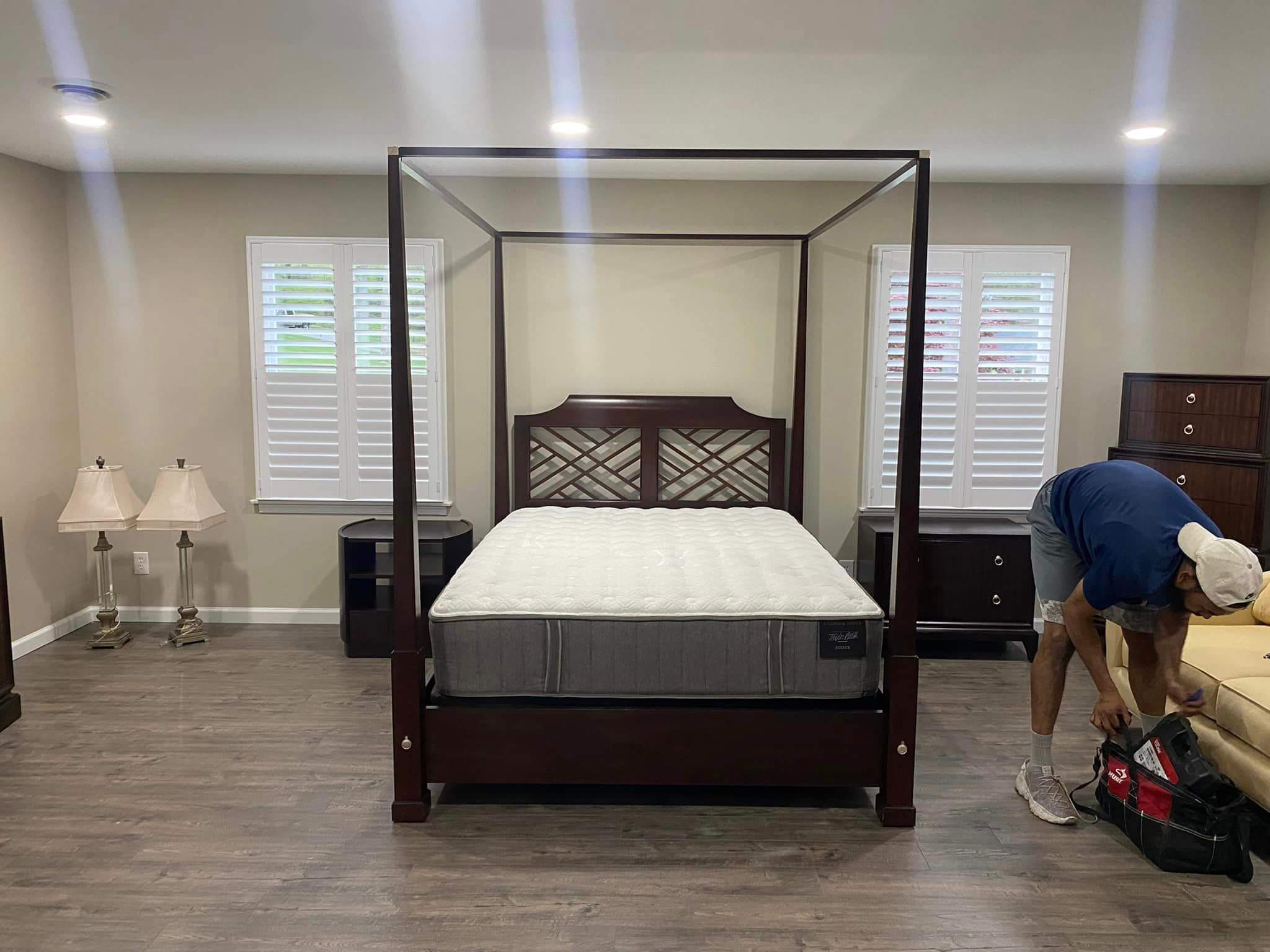
Full-service options. For many seniors, a full-service move — where the movers handle packing, loading, transport, unpacking, and setup at the new location — is far less physically and emotionally draining than a self-pack move. Ask any company you’re considering whether they offer full packing and unpacking, and whether they include furniture placement and reassembly as part of the job.
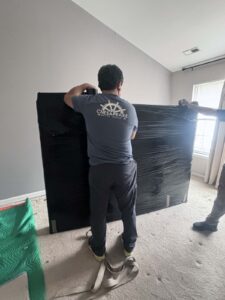
Protective handling. Senior moves often involve items that are genuinely irreplaceable — heirlooms, antiques, framed photographs, hand-painted china. A moving company that uses moving blankets, shrink wrap, and proper packing materials as standard — not as an upcharge — is the right choice for a move where these items are in play.
Licensed and insured. Maryland movers are required to be registered with the Maryland Public Service Commission. Ask for their registration number and verify it. For any interstate move, check for a valid USDOT number as well.
At Chesapeake Moving Company, senior moves are something we approach with extra patience and care — those are our words from our own FAQ, because we mean them. Our team can help with sorting, packing, and making the transition as smooth as possible. We handle every detail from packing and organizing to furniture disassembly and setup, using professional supplies to protect belongings along the way.
The Role of Storage in a Senior Move
Storage often plays a useful role in senior relocations, particularly when the timing between moving out and moving in doesn’t line up perfectly, or when family members need more time to decide what to do with items that aren’t being moved but haven’t been fully sorted either.
Chesapeake Moving Company offers flexible short-term and long-term storage options with climate-controlled facilities — particularly helpful for wood furniture, artwork, family photographs, and other items that don’t do well in temperature extremes. If you’re not sure yet what to do with something, storage buys you time to make the right decision rather than a rushed one.
Helping a Loved One Settle In
The move itself is one thing. Getting a senior genuinely settled into a new space is another, and it’s worth thinking about separately.
Familiar items placed thoughtfully in the new space make an enormous difference — a favorite chair in the same kind of spot it occupied in the old home, family photographs hung in the first few days rather than left in boxes, familiar bedding and kitchen items unpacked and put away before the senior spends their first night there. The goal is for the new space to feel like home as quickly as possible, not like a temporary arrangement.
If the move is to an assisted living community, plan to spend real time there in the first few days — not just to help unpack, but to introduce the senior to staff, to walk through the common areas together, and to help them build the first few routines that will make the space feel familiar.
We’re Here When You’re Ready
Senior moves require the right team — people who understand that this isn’t just a logistics job, it’s a life transition, and who treat it accordingly. That’s what we’ve built at Chesapeake Moving Company: a team that approaches every senior relocation with the care and patience we’d give our own family.
We serve seniors and families throughout Baltimore, Annapolis, Towson, Bel Air, Essex, Gambrills, and all of greater Maryland.
Call us at (410) 620-8919 or visit our Senior Moving Services page to talk through your situation and get a free, no-pressure quote. We’ll take it at whatever pace works best for you.