Most articles on this topic — including some of our own — come down to opinion: convenience versus cost, control versus ease. This one skips the opinion and just runs the numbers.
Below is a straightforward side-by-side comparison of what a DIY move and a professionally hired move actually cost, in dollars and in hours, so you can do the math for your specific situation rather than take someone’s general advice for it.
Defining the Two Options
DIY move: You rent a truck (U-Haul, Penske, Budget, or similar), buy or borrow your own packing supplies and equipment, recruit friends or family for labor, and handle every part of the move yourself — packing, loading, driving, unloading, and returning the truck.
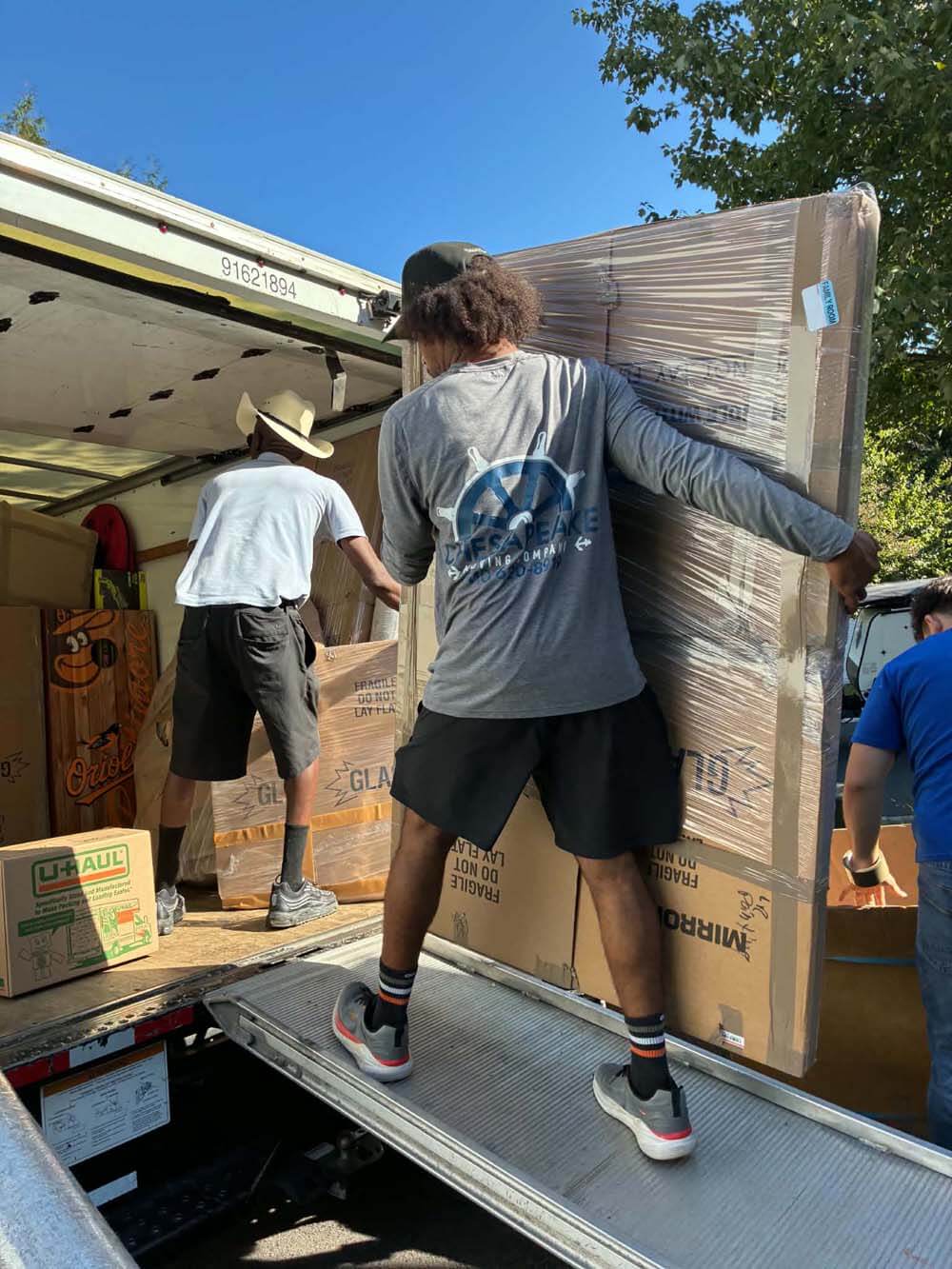
Hiring professional movers: A full-service crew brings their own truck, handles loading and unloading (and often packing, if you choose it), and transports your belongings — you show up and supervise rather than lift.
Side-by-Side Cost Comparison
Local move, one-bedroom apartment (under 15 miles):
| Cost Item | DIY | Professional Movers |
|---|---|---|
| Truck/crew | $50–$90 (15-ft truck, 1 day) | Included |
| Mileage/fuel | $30–$60 | Included |
| Packing supplies | $50–$100 | $50–$100 (if not self-packed) |
| Equipment rental (dolly, blankets) | $20–$40 | Included |
| Labor | Free (your time + helpers) | $300–$450 (3-hour minimum, 2-person crew) |
| Estimated total | $150–$290 | $350–$550 |
Local move, three-bedroom house (under 15 miles):
| Cost Item | DIY | Professional Movers |
|---|---|---|
| Truck/crew | $90–$140 (26-ft truck, 1 day) | Included |
| Mileage/fuel | $50–$100 | Included |
| Packing supplies | $150–$300 | $150–$300 (if not self-packed) |
| Equipment rental | $30–$60 | Included |
| Labor | Free (your time + helpers) | $700–$1,200 (4+ hours, 3-4 person crew) |
| Estimated total | $320–$600 | $850–$1,500+ |
Long-distance move (roughly 500–1,000 miles), three-bedroom house:
| Cost Item | DIY | Professional Movers |
|---|---|---|
| Truck rental | $1,700–$2,200+ | Included |
| Fuel | $400–$700 | Included |
| Lodging/meals (multi-day drive) | $200–$500 | Sometimes needed, less often |
| Damage coverage | $100–$150 | Included in valuation coverage |
| Estimated total | $2,400–$3,500+ | $3,500–$7,000+ |
The pattern holds across all three: DIY is cheaper on paper for local moves, and the gap narrows significantly — sometimes disappears — for long-distance moves once truck rental, fuel, and multiple days on the road are added in.
Truck Rental Cost Breakdown (Where DIY Estimates Go Wrong)
The advertised “$19.95 a day” rate is real, but it almost never reflects what you’ll actually pay. Here’s what typically gets added on top:
- Base daily rate: $19.95–$49.95 depending on truck size, before anything else.
- Mileage fees: commonly $0.59–$1.19 per mile, even on local, in-town rentals.
- Fuel: larger trucks get roughly 8–10 miles per gallon, so fuel costs add up fast, especially on longer moves.
- Environmental and administrative fees: typically $1–$5, small but easy to forget when estimating.
- Damage coverage: optional but commonly recommended, often $15–$30 per day if you don’t already have coverage that extends to rental trucks.
- Extra days or extra miles: roughly $40 per extra day and $1.00 per extra mile beyond your included allowance — the two most common reasons a DIY move quote balloons past the original estimate.
A local one-day rental that looked like $50 on the website can easily land at $150–$250 once mileage, fuel, and coverage are factored in. That’s not a hidden fee exactly — it’s just not part of the number that gets advertised.
Hidden Costs of DIY Moving That Don’t Show Up in a Truck Rental Quote
Beyond the truck itself, a few costs consistently get left out of DIY budgets:
- Packing supplies, if you’re buying boxes, tape, and bubble wrap new rather than sourcing them free.
- Equipment rental — furniture dollies, hand trucks, and moving blankets, if you don’t already own them.
- Lost work time. If a DIY move costs you a day of PTO or unpaid time off, that’s a real dollar figure, not a free resource.
- Food and drinks for helpers. Recruiting friends usually means feeding them, and a full day of pizza and drinks for a moving crew of four or five adds up faster than people expect.
- Vehicle damage risk. Scraped door frames, dinged walls, or damage to the rental truck itself from inexperienced driving are common enough that damage coverage exists for a reason.
Time Investment Comparison
A one-bedroom apartment:
- DIY: typically 6–10 hours total, including loading, driving, unloading, and returning the truck — often spread across a full day.
- Professional movers: typically 2–4 hours for the crew’s portion, with essentially no physical effort required from you.
A three-bedroom house:
- DIY: often 10–16 hours, frequently split across two days, especially if packing isn’t finished in advance.
- Professional movers: typically 4–7 hours with a properly sized crew.
The time gap is where a lot of the “DIY is cheaper” math falls apart once you assign any real value to your own hours — especially if the move happens on a workday or eats into a weekend you’d otherwise have back.
Injury and Damage Risk
This is the least-discussed line item, but it’s a real one. Moving heavy furniture and loaded boxes is physically demanding, and back and shoulder injuries are common in moving-related work — which is exactly why professional crews are trained in lifting technique and use equipment (dollies, straps, ramps) most DIY movers don’t have on hand.
There’s also a coverage gap worth understanding: professional movers carry liability insurance for your belongings during the move.
If you’re driving a rental truck yourself, your homeowner’s or renter’s insurance may or may not extend to items in transit, and any injury to a friend helping you move generally isn’t covered by anyone’s moving insurance at all.
When DIY Actually Wins
- A local move, under about 15–20 miles.
- A smaller home — studio, one-bedroom, or a light two-bedroom.
- You have reliable help and are comfortable driving a rental truck.
- Your schedule allows spreading the work across a day or two without financial cost (no lost income).
When Hiring Professional Movers Wins
- A long-distance move, where truck rental, fuel, and multiple days on the road narrow or erase the DIY savings.
- A larger home, where the time investment and physical demands scale up significantly.
- Your time has real financial value — missing work costs more than the labor would.
- You have fragile, heavy, or valuable items where damage risk and lack of coverage are real concerns.
The Real Total Cost Formula
Before deciding, it’s worth running your own numbers rather than relying on a general rule: Truck rental (base rate + mileage + fuel + coverage) + supplies + the dollar value of your own time + realistic risk of damage or injury, compared directly against a written quote from a professional mover for your specific move.
For small local moves, DIY often still wins outright. For anything bigger or farther, the real total is closer than the sticker price suggests.
How Chesapeake Moving Co. Fits Into This Decision
If you run these numbers and land on “hiring movers,” we’re happy to give you a real, specific quote to compare against your DIY total rather than a generic rate.
And if your move genuinely favors the DIY route, that’s a fair outcome too — we’d rather you make that call with real numbers than a rough guess either way.
Frequently Asked Questions
Is DIY moving always cheaper? For small, local moves, usually yes. For long-distance or larger moves, the gap narrows significantly once truck rental, fuel, and multiple travel days are factored in.
What’s the biggest hidden cost in a DIY move? Mileage and fuel on the truck rental, plus the dollar value of your own time — both are easy to underestimate when comparing a rental’s advertised daily rate to a moving company’s quote.
Does moving insurance cover a DIY move? Not automatically. Professional movers carry liability coverage for your belongings; a DIY move relies on your own insurance, which may or may not extend to a rental truck or items in transit.
How much does a 26-foot truck rental actually cost? Local, one-day rentals commonly total $150–$250 once mileage, fuel, and optional damage coverage are included — well above the advertised base rate alone.
Want a real number to compare against your own DIY math? Get a free moving quote or call Chesapeake Moving Co. at (410) 620-8919, and we’ll give you the actual cost for your specific move.