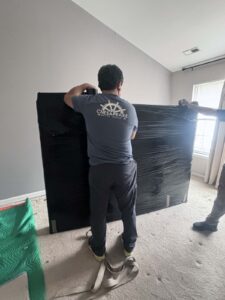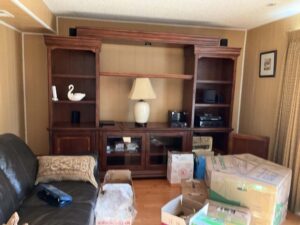
So you’ve got a piano, a gun safe, or grandma’s antique dresser sitting in your house, and you’re wondering what it’s actually going to cost to get it from point A to point B without anyone — including the item — getting hurt in the process.
Good news: you’re asking the right question early, instead of finding out the hard way on moving day. We get this question constantly, so let’s just talk through it honestly, the way we would if you called us up and asked.
Why “It’s Just Furniture” Doesn’t Apply Here
First, let’s clear something up. A piano is not a couch. A gun safe is not a bookshelf. And your great-aunt’s china cabinet is not the same job as moving a dresser from IKEA. We say this not to scare you, but because it matters for understanding why specialty item moving costs more — and why it should.
A standard upright piano weighs somewhere between 300 and 500 pounds. A baby grand can push 600. A full-size grand piano can climb well past that. And it’s not evenly distributed weight, either — pianos are awkward, top-heavy, full of delicate internal mechanisms, and finished in surfaces that scratch if you so much as look at them wrong.
Gun safes are even heavier in a smaller footprint, sometimes 400 to 1,000+ pounds packed into a box the size of a mini-fridge, which makes them brutally hard to maneuver through doorways, down stairs, or around tight corners.
Antiques bring a different kind of risk. They’re not always heavy, but they’re often fragile in ways that aren’t obvious — old glue joints, veneer that’s been drying out for eighty years, joinery that was never meant to survive a modern moving truck without the right padding and support.
In other words: the equipment, the technique, and the number of trained hands needed for these items are genuinely different from a standard move. That’s where the cost comes from — not because movers are trying to upsell you, but because doing it wrong is how a $15,000 piano becomes a very expensive pile of firewood.
So… What Does It Actually Cost?
We’ll be straight with you: any company that gives you an exact number without seeing your home, your stairs, and your specific item is guessing. Pricing for specialty items depends on a handful of real variables, and being upfront about them is the only honest way to talk about cost.
The item itself. An upright piano is generally less complex (and less expensive) to move than a baby grand or full grand, which often need to be partially disassembled, wrapped in piano boards, and sometimes craned or hoisted depending on access. Gun safes get priced largely off weight and size — a 500-pound home safe is a very different job than a 1,200-pound commercial-grade unit. Antiques and fine art are usually priced based on fragility and whether custom crating is needed.
Access and distance. This is the part people underestimate the most. Got stairs? That changes things. A narrow hallway or a tight turn at the top of a staircase? That changes things too. How far the item has to travel from the truck to the front door also matters — a piano going twenty feet across flat ground is a much easier job than one going down a flight of stairs and around two corners.
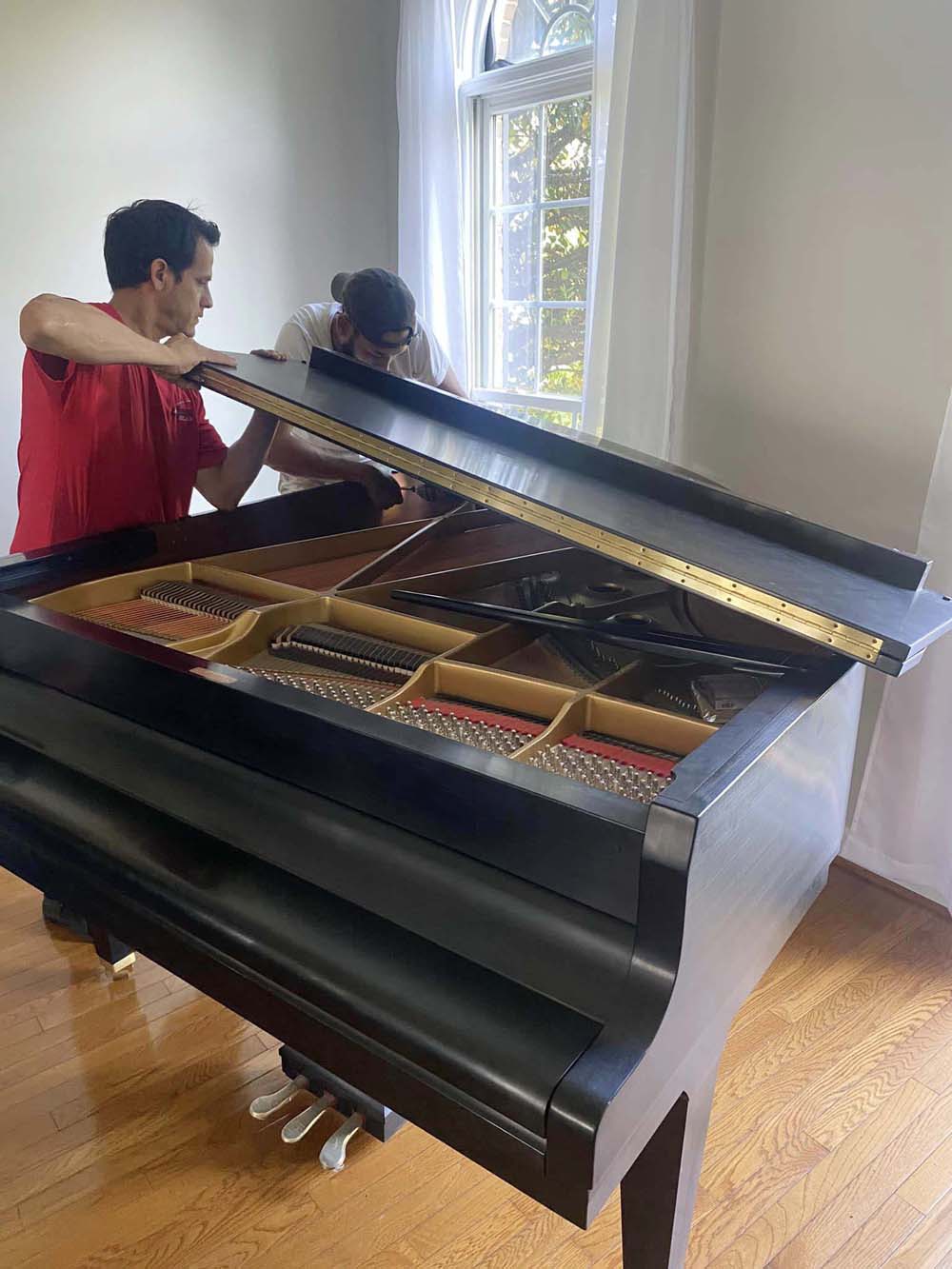
Disassembly and reassembly. Some pianos need their legs, lid, or pedals removed for safe transport. Some antiques need to be partially taken apart. This adds time, and time is the real driver behind specialty moving costs — not some flat per-item fee pulled out of thin air.
Distance of the overall move. A piano moving across town is priced differently than one moving across the state or across the country, just like any other part of your move.
Insurance and protection level. White-glove handling — full padding, custom crating, climate-conscious transport — costs more than basic protection, and for genuinely valuable or irreplaceable items, it’s usually worth every penny.
Because of all these variables, the honest answer to “how much does it cost” is: it depends, but we’ll tell you exactly what it depends on and walk through your specific situation so there are no surprises. We’d rather give you a real number after seeing the details than a fake one upfront that changes on moving day.
What “White-Glove” Actually Means (Because It Gets Thrown Around a Lot)
You’ll see the term “white-glove moving” everywhere when you start researching specialty movers, and honestly, it gets used so loosely by some companies that it’s lost a bit of meaning. So here’s what it actually means to us.
White-glove handling means your item gets individual attention from start to finish — not just shoved onto a truck between a couch and a dresser. It means proper padding and wrapping specific to the item, not a generic moving blanket thrown over the top.
It means a crew that knows how to navigate stairs and tight corners with heavy or awkward items without rushing. And for items that need it, it can mean custom crating — building a protective shell around something irreplaceable so it travels like it’s in a vault, not a truck bed.
This isn’t about ceremony. It’s about the fact that some items genuinely can’t be replaced if something goes wrong, and the level of care has to match that reality.
The Gear Behind the Job
People are sometimes surprised by how much specialized equipment goes into moving a piano or a safe properly. It’s not just strong backs and good intentions — it’s piano boards (basically a padded sled the piano gets strapped to), piano dollies built specifically for distributing that awkward weight, heavy-duty straps and harnesses, stair-climbing equipment for safes and other extremely heavy items, and furniture sliders and corner guards to protect both the item and your home’s walls and floors along the way.
A crew that owns this equipment and uses it regularly is going to move your piano with a kind of muscle memory that a crew renting the gear for the day just won’t have. It’s worth asking any mover — including us — what equipment they actually own versus what they’d be borrowing or improvising with.
A Few Honest Tips If You’re Moving One of These Items Yourself First
We obviously think hiring professionals for specialty items is the smart move, but in case you’re still weighing your options, here’s some honest advice. Don’t try to move a piano with fewer than four people, full stop — it’s not a matter of strength, it’s a matter of physics and balance. Never lay an upright piano flat for transport unless you genuinely know what you’re doing; the internal mechanisms can be damaged in ways that aren’t obvious until weeks later.
For gun safes, double-check the floor and stairs can handle the weight before you start — we’ve seen close calls with stair treads that just weren’t built for it. And for antiques, resist the urge to “just wrap it in some blankets” — uneven pressure on old joints can cause damage that doesn’t show up until the piece is sitting in its new home and somebody leans on it.
Honestly, this is usually the point where people call us instead. And that’s okay — that’s exactly what we’re here for.
We’re Licensed, Insured, and We’ve Done This Before
Whether it’s a baby grand piano headed to a new home in Towson, a gun safe that needs to come down a narrow Baltimore rowhouse staircase, or a set of antiques that have been in the family for three generations, we treat each one the way we’d want our own things treated.
We’re fully licensed and insured, and we use the right equipment, the right number of hands, and the right amount of patience for items that genuinely deserve it.
If you’ve got a piano, a safe, fine art, or antiques you’re nervous about moving, give us a call. We’ll ask a few questions about access, stairs, and the item itself, and we’ll give you a real, honest estimate — not a guess.
Chesapeake Moving Company proudly serves Baltimore, Annapolis, Towson, Essex, Bel Air, Gambrills, and the surrounding Maryland area. Call us at (410) 620-8919 or visit our Specialty Item Moving page to request your free quote today.